Wastewater Treatment: How We Clean Up Our Water
Wastewater treatment refers to the process by which we remove contaminants from water that has been used by households, businesses and industries. It is a crucial part of public health and environmental protection. Wastewater treatment plants use a combination of physical, chemical, and biological processes to purify water before releasing it back into the environment.
There are three main stages involved in wastewater treatment. The first stage is known as primary treatment, where solid materials and heavy particles are removed from the water through processes such as sedimentation and screening. The second stage is known as secondary treatment, which uses biological processes to break down organic materials and remove most of the remaining contaminants. Finally, the third stage is tertiary treatment, which is the final purification process that removes any remaining toxins, organic compounds, and nutrients from the water.
There are a number of different technologies and methods used in wastewater treatment, ranging from traditional systems such as activated sludge, to newer technologies such as membrane filtration and reverse osmosis. In addition to municipal wastewater treatment, industrial and agricultural operations generate large amounts of wastewater that also require treatment before returning to the environment.
The importance of wastewater treatment cannot be overstated, as it plays a critical role in protecting public health and preserving the environment. By removing harmful contaminants from our water supply, we can ensure that our communities have access to clean and safe drinking water, while also protecting the health of aquatic ecosystems and wildlife.
污水处理是保护环境和人类健康的重要措施之一。在实际操作过程中,人们通常使用一些英文简称。以下是一些常用的简称及其含义:
1. WWTP: Wastewater Treatment Plant - 污水处理厂
2. SBR: Sequential Batch Reactor - 顺序批处理反应器
3. MBR: Membrane Bioreactor - 膜生物反应器
4. ASP: Activated Sludge Process - 活性污泥法
5. UASB: Upflow Anaerobic Sludge Blanket - 上部进流式厌氧污泥滤袋
6. MBBR: Moving Bed Biofilm Reactor - 浮床生物膜反应器
7. DAF: Dissolved Air Flotation - 溶解气浮法
8. RO: Reverse Osmosis - 反渗透
以上简称均是污水处理领域中常用的缩写,它们代表了不同的处理方法和技术。例如,ASP是通过污泥氧化分解来清除水中废物和有机物的一种处理方法,而MBBR则是利用固定生物膜附着在浮动载体上进行废水处理的一种新兴技术。
由此可见,对于污水处理工程中的各种英文简称,了解其含义对于工程师和污水处理从业者来说是至关重要的。只有深入了解各种处理方法及其优缺点,才能高效地进行污水处理并保护环境。
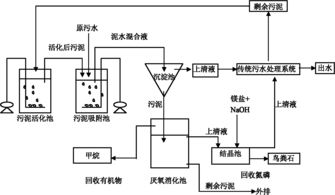
工业废水污水处理设备是指对工业生产中所产生的废水、污水进行处理,净化达到环保标准的设备。废水可以分为有机废水、无机废水和混合废水三种。
其中,有机废水处理主要是通过生物处理的方法,将有机物质降解为无害物质;无机废水处理主要是通过化学处理的方法,利用化学反应将无机污染物转化为无害的物质;混合废水处理则需要综合运用多种处理方法。
工业废水污水处理设备主要包括物理处理设备和化学处理设备。物理处理设备包括隔油器、格栅、沉淀池、过滤器等,主要是通过物理方式将固体、液体、气体等物质分离出来。而化学处理设备包括各种反应器、各种化学药剂等,主要是通过化学反应将有害物质转化为无害物质。
对于特定的污水,需要根据不同的成分特性选择不同的处理方法和设备。同时,在实际的处理过程中,还需要注意选择合适的操作条件、掌握良好的运行管理技能、定期进行设备维护等措施,才能保证设备的正常运行,同时达到有效的处理效果。
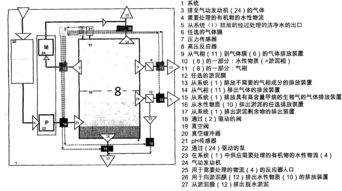
废水是指在生产、生活、医疗等过程中所产生的含有各种物质的水。如果直接排放至环境中,会对自然环境和人类健康造成极大的威胁。因此,废水处理是一项十分重要的环境保护工作。下面介绍几种常见的废水处理方法:
1. 生物处理法:利用微生物的代谢作用将有机物分解为无机物的过程,包括好氧处理、厌氧处理、厌氧氧化处理、生物膜处理等。
2. 化学处理法:使用化学药剂与废水中的污染物反应,经过氧化、还原、沉淀等化学反应处理,常用的有氧化法、还原法、沉淀法等。
3. 物理处理法:通过物理方法将废水中的杂质从水中分离出来,如过滤法、沉淀法、蒸发法、离心法等。
根据不同的废水污染物和处理要求,可针对性地选择一种或几种处理方法来处理废水,以达到更好的处理效果。同时,废水的处理也需要科学规划,严格遵守相关法律法规,责任到位,才能实现有效的废水治理。
Copyright © 2019-2023 版权所有 备案号:桂ICP备15006904号